
Loading...
Serving Cerritos, CA and surrounding areas. (626) 517-0609
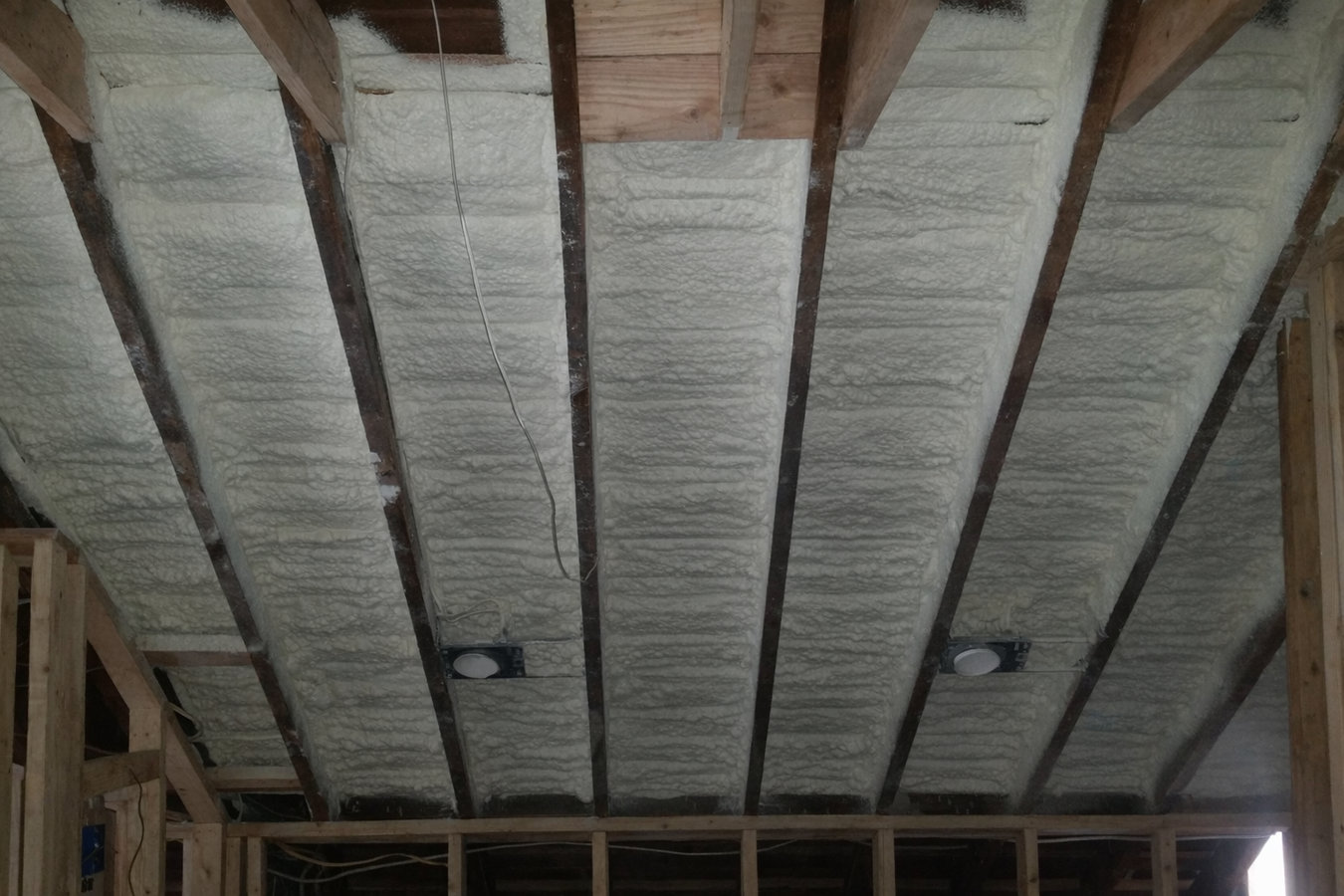
Cerritos Insulation serves Long Beach with attic insulation, blown-in upgrades, closed-cell spray foam, and retrofit work for the city's wide range of housing - from beach bungalows in Belmont Shore to Craftsman homes in Bixby Knolls and ranch houses in East Long Beach. We respond to all Long Beach inquiries within one business day.
Homes near the coast in Belmont Shore, Naples, and Alamitos Beach face constant moisture exposure from the marine layer, salt air, and in some cases direct canal proximity - and traditional fiberglass batts in crawl spaces and basement walls absorb that moisture and lose their insulating power. Closed-cell foam insulation creates a permanent moisture barrier that does not compress, settle, or absorb water, which makes it the right material for rim joists, crawl space walls, and foundation gaps in homes where the marine layer keeps surfaces damp most mornings.
Long Beach has a wide mix of housing ages, and that means attic conditions range from nearly uninsulated (1920s-1940s homes) to moderately insulated but outdated (1960s-1980s builds). Homes built before the 1980s rarely meet current California standards, and the difference in summer cooling costs is noticeable when an attic gets brought up to R-38. Older Spanish Colonial Revival and Craftsman homes often have low-clearance attics that are hard to move in, which makes blown-in insulation the most practical upgrade path.
Blown-in cellulose or fiberglass is the standard method for upgrading attics in Long Beach because it fills every corner and cavity uniformly and works in tight spaces where batts would require extensive clearing and repositioning. Many older Long Beach homes have attics full of vintage wiring, junction boxes, and stored items that cannot easily be moved - blown-in material goes around all of it without requiring the attic to be emptied first.
Drafts and uneven temperatures between rooms in Long Beach homes are almost always caused by air leaks in the attic floor - gaps around recessed lights, at the top plates where the walls meet the ceiling, and at every penetration cut for plumbing and electrical. Homes built before the 1990s were never air-sealed during construction, and those gaps have widened over decades as framing lumber dried and settled. Sealing those gaps before insulation goes in is what makes the new insulation effective.
Older Long Beach homes near the beach often have little or no wall insulation, and west-facing or south-facing walls absorb intense afternoon sun that radiates into the living space. Retrofit wall insulation fills those cavities through small holes drilled from the outside that are patched and painted afterward - the process does not require removing drywall or emptying the rooms. It is a minimal-disruption upgrade that homeowners can schedule while living in the home.
Compressed, water-damaged, or rodent-contaminated insulation is common in older Long Beach homes - especially in neighborhoods with aging housing stock like the West Side and Central Long Beach. Adding new insulation on top of contaminated material reduces the effectiveness of both layers and can trap odors and moisture. We remove the old material, treat the attic space, and install fresh insulation in the same project cycle.
Long Beach is one of the largest cities in California, with about 466,000 residents packed into roughly 50 square miles. About half of all housing units in the city are renter-occupied, but that still leaves a substantial base of homeowners with direct stakes in maintaining their properties. Home values in Long Beach are around $650,000 to $700,000 on average, while median household income is roughly $65,000 to $70,000 - which means homeowners here are often working to keep up with maintenance and need clear information about what upgrades will deliver real returns. Long Beach has more than a dozen distinct neighborhoods, from Belmont Shore's beach bungalows and Spanish-style homes to Bixby Knolls's tree-lined streets with larger Craftsman and Tudor homes, and the eastern neighborhoods like El Dorado Park with more suburban-style ranch houses. Each part of the city has its own housing character and typical maintenance issues, and that variety makes it a challenging place to work if you are not familiar with the different building styles and ages.
The climate in Long Beach varies significantly depending on how close a home is to the ocean. The western and southern parts of the city sit right on San Pedro Bay, and the marine layer - a low band of cool, moist air that rolls in from the Pacific - keeps those neighborhoods damp and foggy most mornings. Salt air from the bay accelerates rust on metal fixtures, fences, gutters, and fasteners, and homes within a mile or two of the water see noticeably faster wear on exterior surfaces than homes farther inland. Summers are warm and dry inland but stay cooler near the coast thanks to ocean breezes, and the sun is intense year-round with high UV exposure that breaks down roofing materials, exterior paint, and caulk. Long Beach gets most of its rain between November and March - an average of 12 to 14 inches per year - and while that sounds modest, the rain often comes in heavy bursts after long dry spells, and the city's older storm drains and flat lots can struggle to handle the runoff.
Our crew works throughout Long Beach regularly, and we are familiar with the wide range of housing types across the city - from the tight-lot beach bungalows in Belmont Shore and Naples to the larger Craftsman homes in California Heights and Bixby Knolls, and the more suburban-style ranch homes out in East Long Beach near El Dorado Park. A large share of the city's homes were built before 1960, and Craftsman bungalows and Spanish Colonial Revival homes from the 1920s through 1940s are common in several neighborhoods. These older homes often have original plaster walls, aging electrical systems, and foundations that have settled over decades, which means we regularly see attic access hatches in tight hallways or closets, low attic clearance, and wiring that needs to be worked around carefully.
Long Beach sits along San Pedro Bay on the Southern California coast, and the Port of Long Beach - one of the busiest container ports in the United States - is a defining feature of the city's waterfront that locals see daily. The Queen Mary has been docked in Long Beach Harbor since 1967 and is a well-known landmark throughout the city. The western and southern edges of Long Beach are right on the water, and neighborhoods like Belmont Shore, Naples, and Alamitos Beach have homes that face significant moisture and salt air exposure. For building and permit questions, we work directly with the City of Long Beach development services department on projects that require it.
We cover all of Long Beach and serve nearby cities regularly. Our team works in Downey to the north and Compton to the west, so if you are near the city line, we can handle your project.
Call or submit a contact form with a brief description of the work you are considering. We reply within one business day and schedule a time to come out and look at the property - typically within the same week.
We inspect the attic, crawl space, or other work areas in person, measure the space, and document the condition of any existing insulation. You receive a written estimate with line-by-line pricing before we leave - no follow-up calls or waiting for paperwork to arrive later.
Most attic insulation jobs in Long Beach take one full day. Removal projects take longer - typically two days. We bring all equipment, protect floors and walkways with drop cloths, and clean up completely before leaving. You do not need to be home the entire time, though some homeowners prefer to stay.
We walk you through the completed work, answer any questions, and provide documentation of what was done. Payment is due at completion, and we accept check, card, or electronic transfer.
We serve all of Long Beach - from the beach neighborhoods to the east side. Free estimates, honest pricing, and work completed on schedule.
(626) 517-0609Long Beach covers about 50 square miles along the Southern California coast and is home to roughly 466,000 residents. The city has a wide range of neighborhoods, each with its own character - from the beach bungalows and small cottages in Belmont Shore, Naples, and Alamitos Beach near the water, to the larger Craftsman and Spanish Colonial Revival homes in California Heights, Bixby Knolls, and the Wrigley district, to the more suburban-style ranch homes in the eastern neighborhoods like El Dorado Park and Los Cerritos. Housing density is high in the western and central parts of the city, with many duplexes, triplexes, and older apartment buildings built in the 1950s through 1970s. The eastern neighborhoods have more single-family homes on larger lots and tend to feel more suburban. A large share of Long Beach's housing stock was built before 1960, which means the city has a high concentration of homes that are now 60 to 100 years old and facing the typical maintenance challenges that come with that age.
Long Beach sits along San Pedro Bay, and the western and southern edges of the city are right on the water. The Port of Long Beach is one of the busiest shipping ports in the United States and a defining feature of the city's waterfront, and the Queen Mary - a retired British ocean liner docked in Long Beach Harbor since 1967 - is a well-known landmark that nearly every resident recognizes. The city has strong connections to the rest of the LA basin via the 710, 405, and 91 freeways, and it is served by the Metro A Line (formerly the Blue Line) with stops at several stations throughout the city. Long Beach also has a downtown area along Ocean Boulevard with office buildings, restaurants, and the Long Beach Convention Center, which draws visitors year-round. We serve the full city and also work regularly in nearby areas like Lakewood to the northeast.
High-density foam providing superior insulation and moisture resistance.
Learn MoreWhether your home is in Belmont Shore, Bixby Knolls, or East Long Beach, our team serves the full city. Call today for a free estimate.