Loading...
Serving Cerritos, CA and surrounding areas. (626) 517-0609
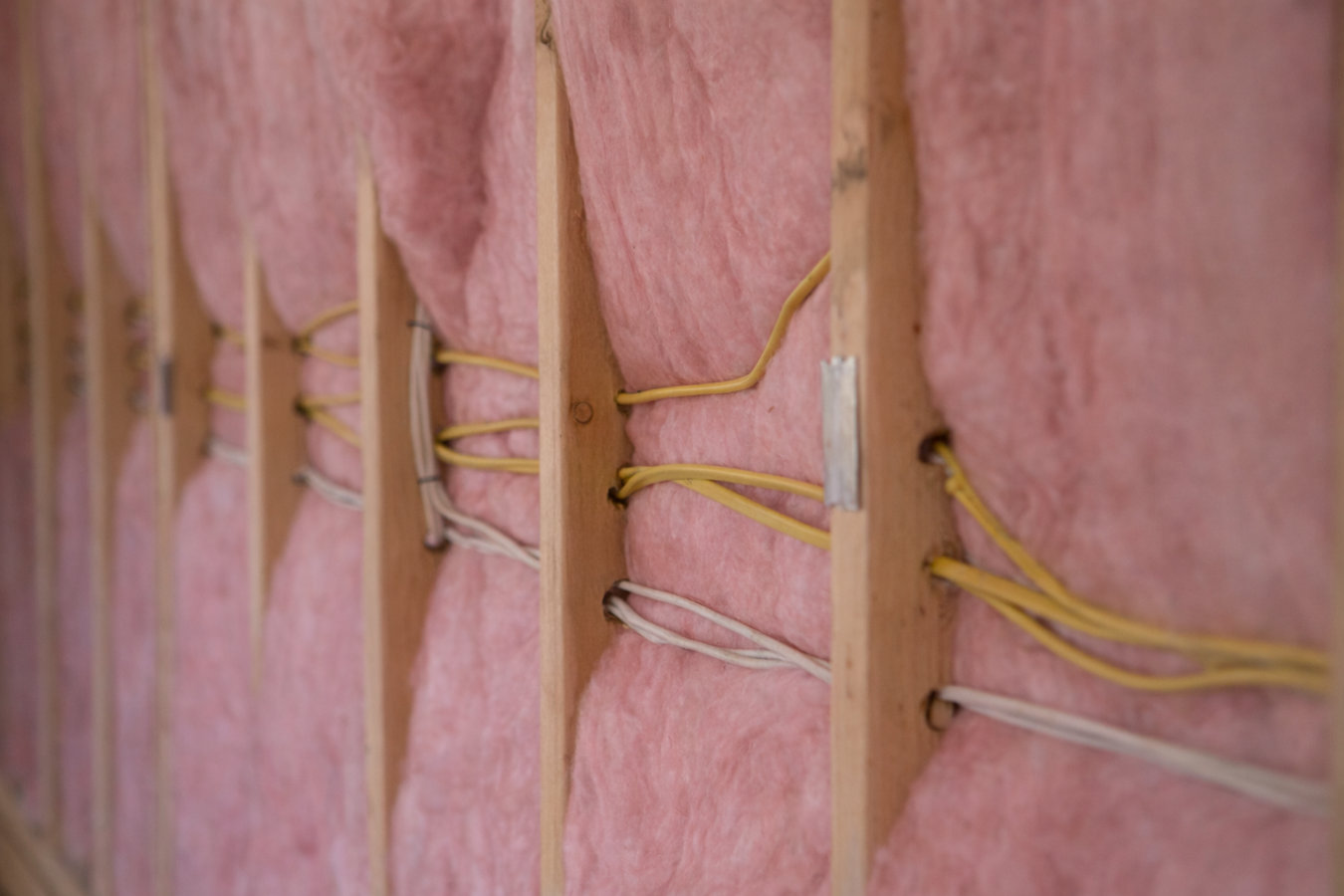
Cerritos Insulation serves Bellflower, CA with wall insulation, attic upgrades, blown-in insulation, and air sealing tailored to the city's tight-lot postwar homes. Most Bellflower homes were built in the 1940s through 1960s, and we know exactly what those houses need to stay comfortable year-round. Responses within one business day and free estimates available.
Many Bellflower ranch homes from the 1950s and 1960s were built with hollow stucco exterior walls and no insulation in the cavities at all. West and south-facing walls absorb intense afternoon heat during Bellflower summers, making interior rooms significantly less comfortable than they should be. Properly installed wall insulation reduces that heat transfer and makes a noticeable difference in afternoon comfort without requiring any exterior work.
Bellflower attics in older homes can reach extreme temperatures on summer afternoons, and original insulation from six or seven decades ago has compressed down to a fraction of its rated R-value. Upgrading attic insulation is the single highest-impact improvement for reducing cooling loads in these homes and keeping energy bills manageable through the hot months.
Bellflower attics in postwar homes have irregular framing with old wiring and stored items that make batt installation difficult to do well. Blown-in cellulose or fiberglass fills every corner and settles around obstacles uniformly, delivering consistent coverage across the whole attic floor. It is the most efficient method for retrofitting insulation in homes where the attic is occupied or cluttered.
Older Bellflower homes have gaps wherever a wire, pipe, or duct passes through the ceiling plate - and in a dense city where homes sit close together, any air movement carrying pollutants or allergens matters more. Sealing those penetrations before or alongside new insulation stops conditioned air from escaping and outdoor air from entering through the attic.
Spray foam is effective for sealing rim joists, attic hatch edges, and the areas where ducts and plumbing penetrate the ceiling in Bellflower's older single-story homes. In multi-family buildings, which make up roughly half of Bellflower's housing stock, spray foam also provides a meaningful sound barrier between units when applied to shared walls or floor assemblies.
Rodent activity in Bellflower attics is common, and when nesting or contamination has occurred, the old material needs to come out before anything new goes in. We vacuum out and bag the old insulation, sanitize the attic space as needed, and install fresh material on a clean surface so the new insulation performs as rated from day one.
Bellflower is one of the more densely populated cities in southeast Los Angeles County, with roughly 80,000 people packed into about 6 square miles. Most of the housing stock was built between the 1940s and 1960s during the postwar suburban expansion. These are standard California ranch homes - single-story stucco with low-pitched roofs, attached garages, and small lots. Many are now 60 to 80 years old, and the original insulation, in the attic or in the walls where it was installed at all, was built to standards that have since been far surpassed. About half of Bellflower housing units are renter-occupied, but owner-occupied properties throughout the city still show the same aging insulation problems.
Bellflower summers push temperatures into the 90s regularly, and Santa Ana wind events roll through every fall, often stripping weatherstripping and caulking that would otherwise help keep conditioned air inside. The clay-heavy soils throughout the LA Basin expand when it rains and shrink during the long dry season, and that ground movement over decades creates gaps at slab edges and around the base of walls. Properties with little to no original wall insulation feel that afternoon heat directly - the west and south walls of a stucco ranch can become surprisingly warm to the touch on a July afternoon, and rooms on those sides are noticeably harder to keep cool.
Our crew works throughout Bellflower regularly, and we understand the local conditions that affect insulation work here. The tight lot sizes are one of the first things you notice - most Bellflower properties have driveways that barely fit one vehicle and side yard clearances that require careful equipment positioning. We plan for that before arrival so there are no surprises on the day of the job.
Bellflower Boulevard runs north to south through the heart of the city and is the road most residents use every day. The city borders Lakewood to the north, Downey to the east, Paramount to the south, and Long Beach to the west. Homes near the northern end of the city, closer to Cerritos and Lakewood, tend to be better maintained owner-occupied properties. Homes near the southern end often include a mix of single-family and multi-family rental stock, and we are comfortable working in both environments.
We cover neighboring cities too. Our team serves Lakewood just to the north, and we also work regularly in Downey to the east.
Reach us at (626) 517-0609 or submit the contact form. We respond within one business day and can typically schedule a free estimate within the same week.
We visit your Bellflower home, inspect the attic, exterior walls, and any crawl space, and measure existing insulation depth. You receive a written quote with a clear line-item breakdown - no obligation, and no pressure to decide on the spot.
Once you approve the quote, we schedule the installation at a time that works for you. Most single-story Bellflower homes are completed in one day. For attic work, you do not need to be home for the full duration.
When the job is done, we walk through the completed work with you, answer any questions, and leave the area clean. If any issue comes up afterward, we follow up - your project is not closed until you are satisfied.
We serve all of Bellflower with free on-site estimates and same-week scheduling. No high-pressure sales, just an honest assessment of what your home needs.
(626) 517-0609Bellflower is a city in southeast Los Angeles County covering roughly 6 square miles, bordered by Lakewood and Cerritos to the north, Downey to the northeast, Paramount to the south, and Long Beach and Compton to the west. The city is almost entirely residential and commercial strips along major roads like Bellflower Boulevard, with no real downtown core. With roughly 80,000 residents in that compact footprint, Bellflower is one of the denser suburban cities in the region. Lots are small, homes sit close together, and the streetscapes have a tight, established feel that has not changed much in decades.
The northern neighborhoods of Bellflower, closest to Lakewood and Cerritos, tend toward owner-occupied single-family homes on well-maintained blocks. Southern Bellflower has a higher density of rental properties and small multi-family buildings from the 1950s and 1970s. Residents in Cerritos just to the north and in Norwalk to the east will recognize many of the same housing types and the same insulation challenges. Most working residents commute out of the city via the 91, 605, or 710 freeways, and the Bellflower Unified School District is the main institutional anchor for families throughout the city.
High-density foam providing superior insulation and moisture resistance.
Learn MoreBellflower homes lose heat and cool air every day through aging attic insulation and uninsulated walls. Call us now for a free estimate and find out exactly what your home needs.