
Loading...
Serving Cerritos, CA and surrounding areas. (626) 517-0609
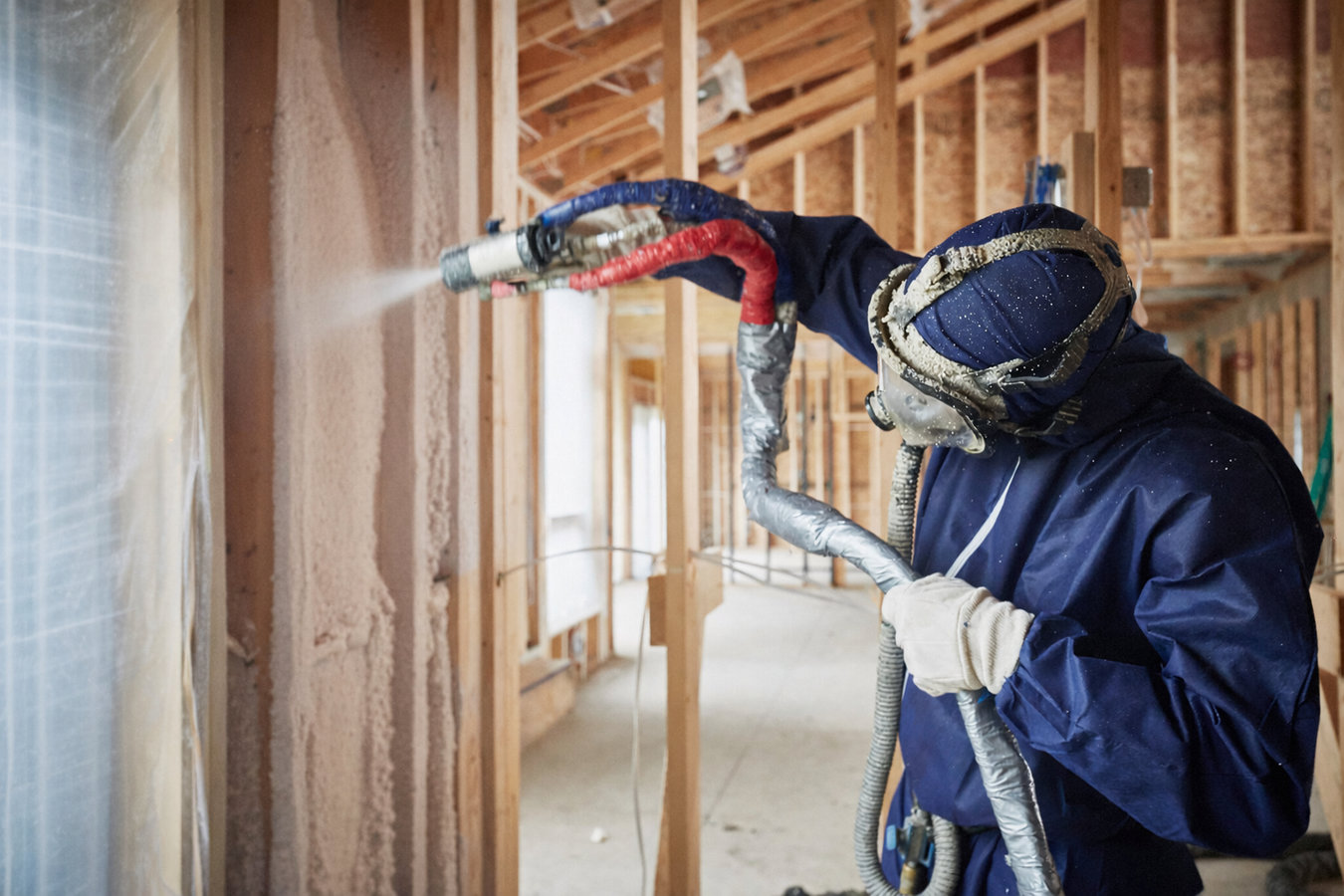
Cerritos Insulation serves Anaheim with attic insulation, blown-in upgrades, spray foam, and retrofit work for the city's mix of postwar ranch homes, older bungalows, and hillside properties in Anaheim Hills. We respond to all Anaheim inquiries within one business day.
Open-cell foam insulation fills large attic spaces quickly, provides excellent sound damping, and creates an effective air barrier without the weight and cost of closed-cell foam. It works well in Anaheim attics where moisture is not a concern and the primary goal is to seal air leaks and boost R-value throughout the entire attic floor. Many Anaheim Hills homes have large, vaulted attic spaces that benefit from open-cell foam because it conforms to every rafter bay, joist cavity, and corner without leaving gaps the way batts do.
Most homes in central and west Anaheim were built between the 1950s and 1970s and have minimal attic insulation by today's standards - if you can see the tops of the floor joists from the attic access, the insulation is well below current California minimums. Bringing the attic up to R-38 is the single most effective upgrade for reducing cooling costs in Anaheim's hot, dry summers. Homes in Anaheim Hills built in the 1970s through 1990s often have more insulation than the flatland homes, but they also have larger square footage and higher cooling loads that benefit from an upgrade.
Blown-in cellulose or fiberglass is the standard method for upgrading attics in Anaheim because it fills every corner uniformly and works well in the tight, low-clearance attics common in postwar ranch homes. The process does not require clearing the attic of stored items or reworking existing electrical and ductwork, which makes it faster and less disruptive than batt installation. Blown-in material also settles evenly over time without compressing the way batts can when walked on or disturbed.
Drafts and uneven temperatures between rooms in Anaheim homes are almost always caused by air leaks in the attic floor - gaps around recessed lights, at the top plates where the walls meet the ceiling, and at every penetration cut for plumbing and electrical. Homes built before the 1990s were never air-sealed during construction, and those gaps have widened over decades as framing lumber dried and settled. Sealing those gaps before insulation goes in is what makes the new insulation effective.
Older Anaheim homes near the Resort District and in central Anaheim often have little or no wall insulation, and west-facing or south-facing walls absorb intense afternoon sun that radiates into the living space. Retrofit wall insulation fills those cavities through small holes drilled from the outside that are patched and painted afterward - the process does not require removing drywall or emptying the rooms. It is a minimal-disruption upgrade that homeowners can schedule while living in the home.
Compressed, water-damaged, or rodent-contaminated insulation is common in older Anaheim homes - especially in neighborhoods with aging housing stock built in the 1950s and 1960s. Adding new insulation on top of contaminated material reduces the effectiveness of both layers and can trap odors and moisture. We remove the old material, treat the attic space, and install fresh insulation in the same project cycle.
Anaheim is one of the largest cities in Orange County, with about 350,000 residents spread across roughly 50 square miles. About half of all housing units in the city are owner-occupied, which represents a substantial base of homeowners with direct stakes in maintaining their properties. The median household income in Anaheim is around $75,000, and the median home value is roughly $700,000, which means homeowners here have real equity to protect and a strong motivation to keep their properties in good shape. Much of Anaheim's residential development happened between the 1940s and 1980s, driven by postwar growth and the opening of Disneyland in 1955, and that means a large share of the city's homes are now 50 to 80 years old. Older homes in this age range often need updated plumbing, electrical, roofing, insulation, and exterior work to remain comfortable and energy-efficient by today's standards.
The climate in Anaheim creates specific insulation demands that older homes were never designed to handle. Summers are long and hot, with temperatures regularly reaching the low 90s and occasionally topping 100 degrees, and the sun is intense with high UV exposure for months at a time. This kind of heat and sun breaks down roofing materials, fades and cracks exterior paint, and drives cooling costs up in homes with minimal insulation. Winters are mild - freezing temperatures are rare - but the rainy season runs from November through March, and most of the city's annual rainfall comes in a handful of heavy storms. Anaheim also sits in the path of Santa Ana winds, which blow hot and dry from the inland deserts toward the coast in fall and early winter and can gust over 50 mph, lifting loose roofing materials and knocking down fences. Parts of Anaheim sit on clay-heavy soils that expand when wet and shrink when dry, and that seasonal movement can shift concrete flatwork, crack driveways, and put stress on slab foundations over time.
Our crew works throughout Anaheim regularly, and we are familiar with the city's housing mix - postwar ranch homes in central and west Anaheim, older bungalows and small single-story homes near the Resort District, and the larger hillside properties in Anaheim Hills that were mostly developed from the 1970s through the 1990s. The bulk of Anaheim's single-family homes were built between the late 1940s and the 1970s as part of large suburban tract developments - mostly single-story ranch-style homes with stucco exteriors, concrete slab foundations, and attached garages on modest lots. Anaheim Hills homes tend to be larger, often two-story, and sit on hillside lots with slopes and retaining walls that create different drainage and grading conditions than the flat-lot homes in the rest of the city.
Anaheim sits in Orange County near the intersection of the 5 and 91 freeways, which gives the city strong connectivity throughout the region. Disneyland is the city's most recognized landmark - it opened in Anaheim in 1955 and is known to virtually every resident and visitor - and Angel Stadium, home of the Los Angeles Angels, has been in Anaheim since 1966. The western part of Anaheim around the Resort District is heavily commercial and tourist-focused, with hotels, restaurants, and the Anaheim Convention Center, but residential neighborhoods sit just outside that zone. For permit-related questions, we work directly with the City of Anaheim planning and building department on projects that require it.
We cover all of Anaheim and serve nearby cities regularly. Our team works in La Mirada to the north and Buena Park to the northwest, so if you are near the city line, we can handle your project.
Call or submit a contact form with a brief description of the work you are considering. We reply within one business day and schedule a time to come out and look at the property - typically within the same week.
We inspect the attic, crawl space, or other work areas in person, measure the space, and document the condition of any existing insulation. You receive a written estimate with line-by-line pricing before we leave - no follow-up calls or waiting for paperwork to arrive later.
Most attic insulation jobs in Anaheim take one full day. Removal projects take longer - typically two days. We bring all equipment, protect floors and walkways with drop cloths, and clean up completely before leaving. You do not need to be home the entire time, though some homeowners prefer to stay.
We walk you through the completed work, answer any questions, and provide documentation of what was done. Payment is due at completion, and we accept check, card, or electronic transfer.
We serve all of Anaheim - from the flatland neighborhoods to Anaheim Hills. Free estimates, honest pricing, and work completed on schedule.
(626) 517-0609Anaheim covers about 50 square miles in Orange County and is home to roughly 350,000 residents. The city includes several distinct areas - the Resort District near Disneyland in the west, the older flatland neighborhoods in central and west Anaheim with mostly single-story ranch homes and bungalows, the Platinum Triangle near Angel Stadium, and the hills of Anaheim Hills in the east with larger homes on sloped lots. Much of the residential development in Anaheim happened between the 1940s and 1980s, and the bulk of the city's single-family homes are postwar tract homes with stucco exteriors, concrete slab foundations, and attached garages. About 55 percent of Anaheim's housing units are single-family homes, with the rest split between apartments, condos, and townhomes. Older apartment complexes from the 1960s and 1970s are common in central and west Anaheim, and condo and townhome communities are more common in Anaheim Hills and near the Platinum Triangle.
Disneyland opened in Anaheim in 1955 and remains one of the most recognized landmarks in the world - nearly every Anaheim resident knows it and sees its impact on the city. Angel Stadium, home of the Los Angeles Angels, has been in Anaheim since 1966 and is another well-known local landmark. The western part of the city around Disneyland is heavily commercial and tourist-focused, with hotels, restaurants, and the Anaheim Convention Center drawing visitors year-round, but residential neighborhoods sit just outside that zone. Anaheim is connected to the rest of Orange County and the LA basin via the 5 and 91 freeways, and it is one of the most accessible cities in the region. We serve the full city of Anaheim and also work regularly in nearby areas like Artesia and Cerritos to the west.
High-density foam providing superior insulation and moisture resistance.
Learn MoreWhether your home is in the flatland neighborhoods, the Resort District, or up in Anaheim Hills, our team serves the full city. Call today for a free estimate.